The Bunya Pine (Araucaria bidwillii) is a towering evergreen native to Queensland, Australia. This ancient tree has been a vital part of the region’s ecosystem and Indigenous culture for thousands of years. Here’s everything you need to know about this fascinating species.

Physical Characteristics
The Bunya Pine is a giant among trees, growing up to 45 meters tall with a straight, thick trunk. When the tree is young the branches form a pyramidal shape, then takes on a more irregular appearance as it ages. The bark is rough, shedding in scales, while the leaves are stiff, sharp and spirally arranged, growing up to 5 centimeters long.
Cones and Edible Seeds
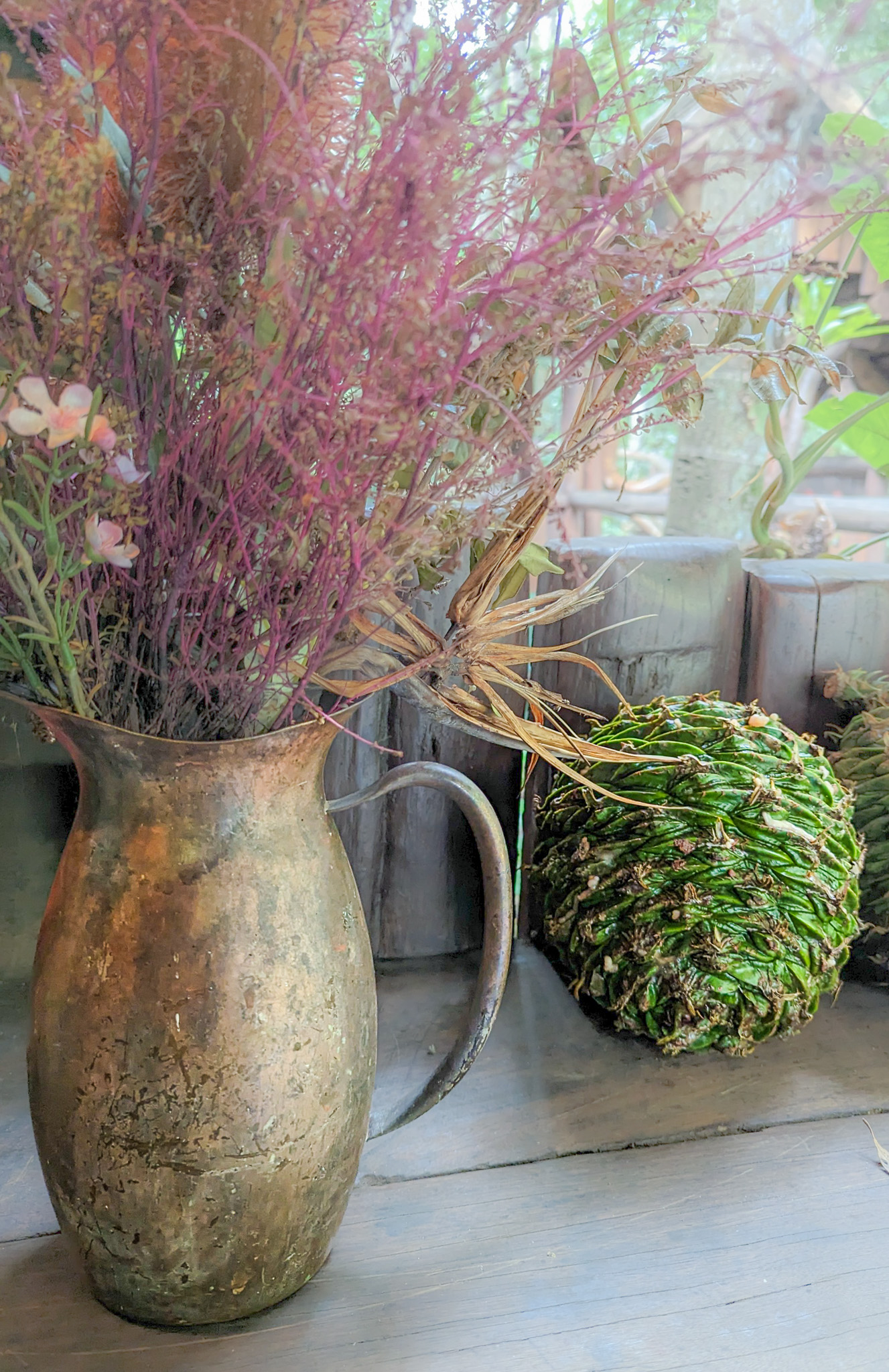
A notable feature of the Bunya Pine is its massive cones which can weigh up to 10 kilograms! These cones hold edible seeds, often called Bunya nuts, which have been a traditional food source for Indigenous Australians.
Bunya nuts are said to be nutritious and can be had raw, roasted or ground into flour.
Ecological and Cultural Significance
For centuries, the Bunya Pine has held great cultural significance, especially among Indigenous groups in Queensland. The harvest of Bunya nuts was not only a food source but also a social and ceremonial event, with groups gathering to celebrate the season.
Where To Find the Bunya Pine
The trees naturally thrives in subtropical rainforests, often on mountain slopes or in protected valleys. While native to Queensland, this impressive tree can also be found in other parts of Australia. even globally, where it’s planted as an ornamental tree in parks and gardens.
You can spot these gorgeous trees in the Sunshine Coast Hinterland in areas like Montville and Maleny.

Historical Uses of Bunya Pine Timber
Historically used in construction, furniture making and even boat building. Highly valued for its fine grain, durability, strength and versatility.
Conservation Status
Bunya Pine is not considered endangered, however, its limited natural range and ongoing habitat loss make it a species of concern. Protecting the rainforests where the Bunya Pine thrives is key to ensuring its survival for future generations.