The Red-shanked Douc is a primate species native to the lush forests of Southeast Asia. These fascinating creatures captivate with their unique multicolour coats, social behaviour and specialized diet.
Five Facts About The Red-Shanked Douc
1. Coat and Colours Variations
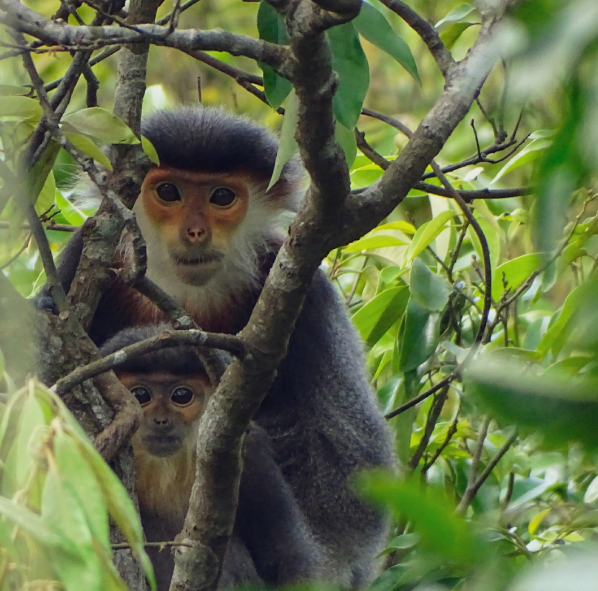
The Red-Shanked Douc is known for its striking and vibrant appearance. This species of primate has a colourful coat that includes shades of red, grey, black, and white, making it one of the most visually captivating monkeys in the animal kingdom.

2. Social Structure
Red-Shanked Doucs live in close-knit social groups that are led by a dominant male. These groups typically consist of several females and their offspring. They are known for their strong social bonds and cooperative behaviours within the group.
3. Habitat
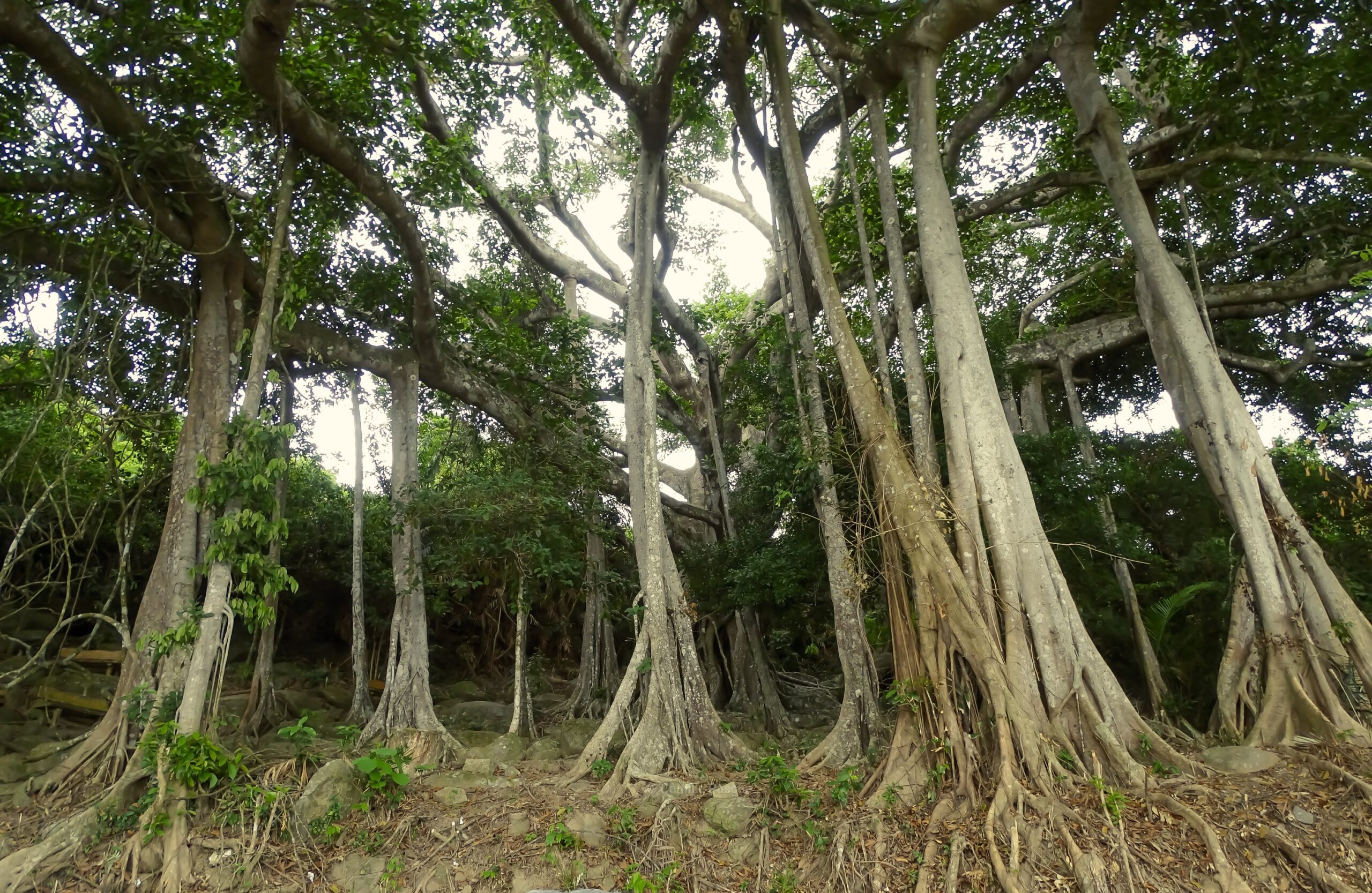
Red-Shanked Doucs are native to Southeast Asia. They can be found in Vietnam, Laos, and Cambodia. They inhabit dense tropical forests and are well-adapted to life in the treetops, where they forage for food and evade predators.

4. Diet
The Red-Shanked Douc is primarily a folivore, meaning, its diet consists mainly of leaves. They consume fruits, flowers and occasional insect as well. Their specialized digestive system allows them to extract nutrients from tough plant material.

5. Conservation Status
The Red-Shanked Douc is classified as an endangered species by the International Union for Conservation of Nature (IUCN). Habitat loss, deforestation, hunting for the illegal wildlife trade and human encroachment is a constant threat. Conservation efforts are underway to protect their remaining habitats to ensure their survival for future generations.
By raising awareness about the plight of the Red-Shanked Douc and supporting conservation efforts in their habitat countries, we can help ensure the survival of this unique and captivating species for years to come.